







RTC 2010-11 Impact Players – Mid-Atlantic Region
Posted by rtmsf on October 7th, 2010
It’s October. The leaves are starting to turn colors. Halloween candy is already in the stores. There have been a few nights where you may have even turned on the heat. Midnight Madness is less than two weeks away and RTC is ready to jump into the 2010-11 Season Preview materials headfirst, like a ten-foot stack of those leaves that you just raked into a giant pile. For the second October in a row, we’re going to bring you our RTC Impact Players series. The braintrust has gone back and forth on this throughout September and we’ve finally settled on a group of sixty players throughout ten geographic regions of the country (five starters plus a sixth man) to represent the who and where of players you should be watching this season. Seriously, if you haven’t seen every one of these players ball at least once by the end of February, then you need to figure out a way to get a better television package. As always in a subjective analysis such as this, some of our decisions were difficult; many others were quite easy. What we can say without reservation is that there is great talent in every corner of this nation of ours, and we’ll do our best to excavate it over the next five weeks in this series that will publish on Mondays and Thursdays. Each time, we’ll also provide a list of some of the near-misses as well as the players we considered in each region, but as always, we welcome you guys, our faithful and very knowledgeable readers, to critique us in the comments.
You can find all previous RTC 2010-11 Impact Players posts here.
Mid-Atlantic Region (NJ, PA, WV, DE, MD, DC)
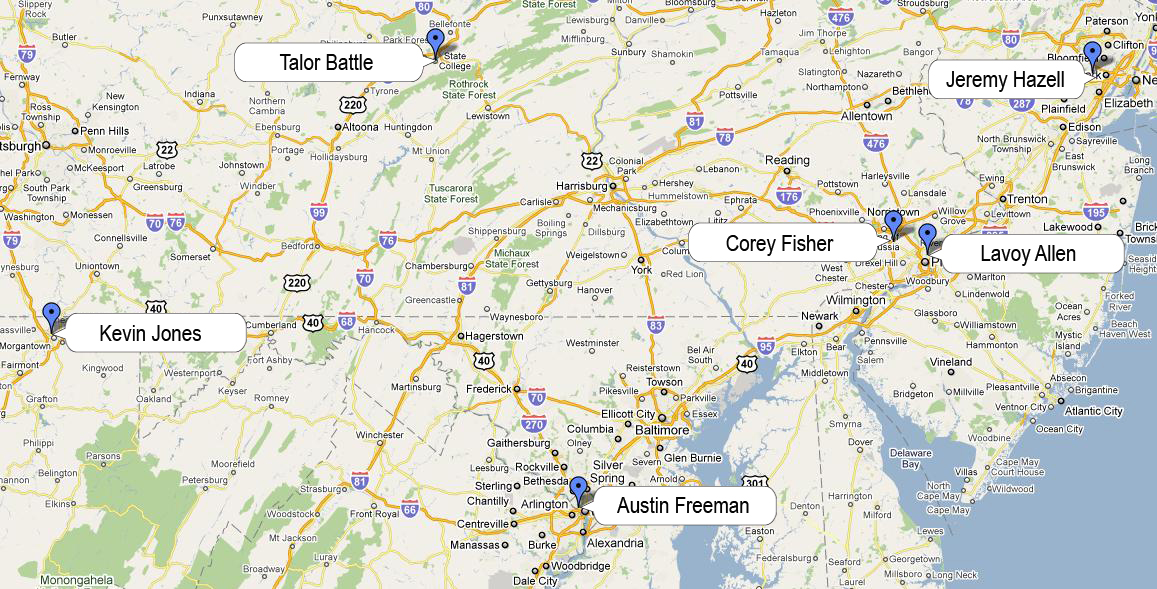
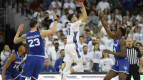
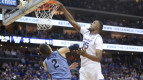
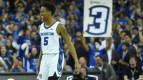
- Austin Freeman – Sr, G – Georgetown. It’s hard to find a glaring weakness in Austin Freeman’s game. In a conference lacking the star power it normally touts, Freeman is the one player without a handful of flaws, concerns and question marks heading into 2010-11, a big reason why we believe he should be the preseason favorite to take home Big East Player of the Year honors next March. It’s obvious Freeman can shoot. Just ask Jim Calhoun about when the DeMatha HS product lit up his Huskies for 33 points on 5-9 from downtown in a comeback victory. Or just ask every coach in the Big East conference because it’s extremely likely Freeman made them pay on at least one occasion last season. The 6’3 junior shot a staggering 44% from three and 53% overall as a shooting guard who attempted 383 field goals last season. He also ranked in the top 100 in both effective FG% and offensive rating. Sure, plenty of the open looks were a result of opposing defenses keying on departed Hoya big man Greg Monroe, but GU still has enough playmakers on this year’s roster — Chris Wright, Jason Clark and Hollis Thompson to name a few — to free up shots for Freeman. While he may not be the most explosive athlete on the planet, Freeman makes up for that weakness with tremendous strength, especially fighting around screens and utilizing his quick release from deep. He also stays on John Thompson’s good side by limiting turnovers to around two per game. Off the court, Freeman has now had an entire summer to adjust to the news he received in February that he was diabetic. Reaching the charity stripe at a higher frequency should also be a point of emphasis for Freeman to improve on this season. In the Big East championship game loss to West Virginia and the embarrassing defeat at the hands of Ohio in the first round of the NCAA Tournament, Freeman did not attempt a single free throw. In fact, he didn’t even shoot 100 FTs all season. Maintaining his efficient shooting totals and increasing the chances for free points is a combination that should combined to produce the most complete player in the Big East.
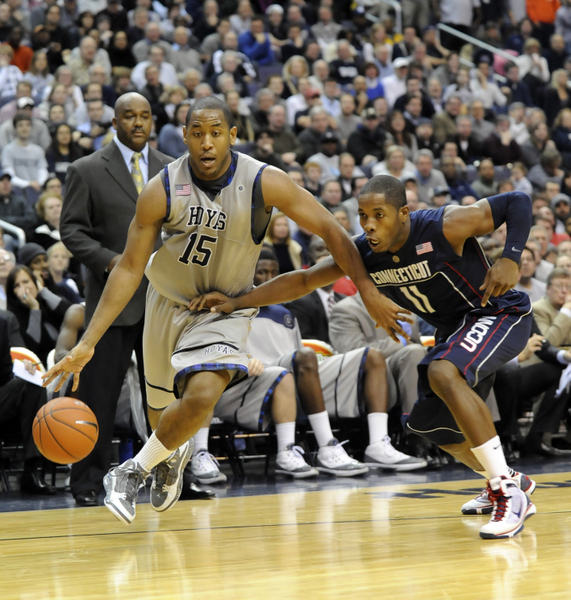
Freeman Will Keep Georgetown Near the Top of the Big East
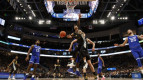
- Talor Battle – Sr, G – Penn State. Talor Battle dabbled with the thought of entering the NBA Draft last spring, and who could blame the electrifying guard from central Pennsylvania? After a tremendous sophomore season where his team went 27-11 and won the NIT title, he lost talented teammates Stanley Pringle and Jamelle Cornley to graduation, resulting in a severe free fall back to the bottom of the Big Ten (11-20, 3-15). Still, Battle persevered through the mounting number of losses by playing heavy minutes (37.0 MPG) and continuing his march toward the very top of the Penn State basketball record books. Despite his diminutive 5’11, 160-lb frame, the two-time all-Big Ten guard (1st team in 2009; 2d team in 2010) who can do a little bit of everything is on pace to become Penn State’s all-time leading scorer and the best rebounding guard in the history of the program. His season averages of 18.3 PPG, 5.3 RPG and 4.2 APG in 2009-10 were matched by only one other player in all of D1 basketball (NPOY Evan Turner) and he was also the only player among the 73 BCS programs who led his team in total points, rebounds, assists and steals. Individual statistics are nice, but Battle would rather see more wins this season and there are some encouraging signs that his decision to return may be a good one. Seven of PSU’s fifteen Big Ten losses last season were by six points or less, and the Nittany Lions were 3-3 in their last six regular season games with close losses to league leaders Purdue and Michigan State. With all five starters returning for Ed DeChellis’ team, the hope for Battle is that some of those close games will break the other way with his senior leadership and shot-making abilities making the difference at the end. It’s unlikely that PSU has an NCAA Tournament appearance in its immediate future (its last was a decade ago), especially in the brutal Big Ten, but an overall winning record and another trip to the NIT is a reasonable goal for Battle and friends to aspire toward.