





Forecasting Washington’s Zone Defense

Posted by Adam Butler on January 18th, 2018

No team in college basketball has played more zone defense this season than Mike HopkinsWashington club. As a Pac-12 aficionado, you know that the Huskies’ new head coach was a long-time assistant (21 years) of Jim Boeheim at Syracuse. As a college basketball aficionado, you know all about Boeheim’s famous zone defense. Hopkins has brought the defensive scheme across the country, and as a result, the Huskies have been a pleasant surprise through the first half of the season. Considering its uniqueness and Washington’s early success in employing it, a forecasting evaluation of the zone for the rest of this season is worthwhile. Its basic tenet is engineered to dare opponents to shoot from long distance. At Syracuse, 44.8 percent of shot attempts against its zone come from beyond the arc, which is very high (11th nationally). Washington’s opponents, by way of comparison, are allowing 36.7 percent of the shots against them from distance, roughly equal to the national average. This gap is in part related to the Huskies’ faster offense, clocking in with the 71st-swiftest offensive possession average in the game (compared with Syracuse’s 325th-slowest). This increase in allowing long-range shooting comes as a big change from the former regime in Washington. Lorenzo Romar’s Huskies never allowed more than 30 percent of opponents’ shots to come from beyond the arc.
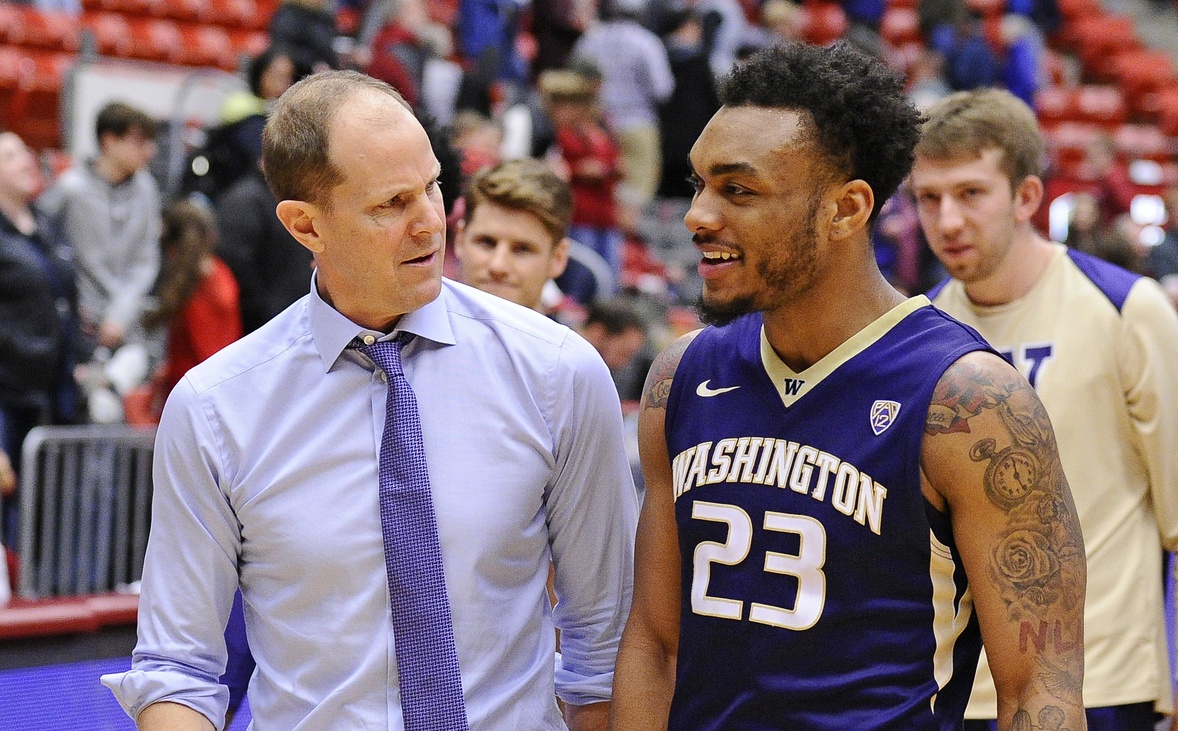
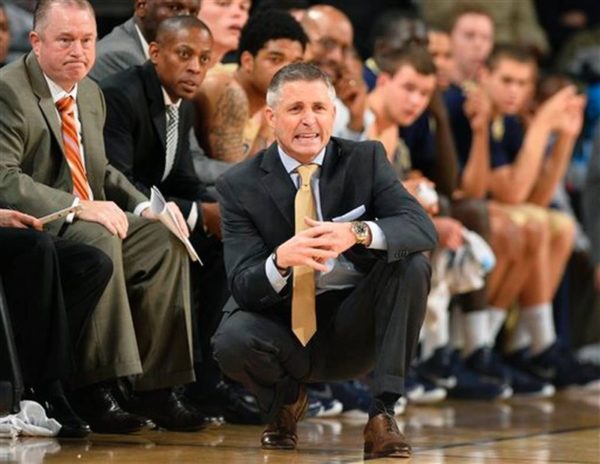
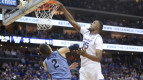
Mike Hopkins Has Instituted a New Regime in Seattle (USA Today Images)

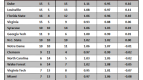
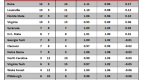
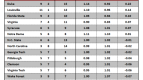
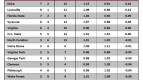
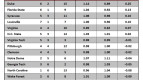
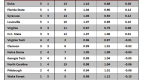
Since Washington has seemingly announced its defensive strategy for the foreseeable future, how might the zone project on its new coast? To date, the gamble has paid off, as the Huskies through five conference games have “held” Pac-12 opponents to a league-best 27.9 percent from three-point range. Pac-12 teams are making 35.8 percent of their three pointers this year, 12th-best nationally as a conference. To try to understand what this might mean for Hopkins’ team, assuming he plans to continue to dare teams to shoot threes, the league has historically been average from distance. A peek:
Read the rest of this entry »

Share this story

Creighton’s Success Has Come from Unexpected Sources

Posted by Justin Kundrat on January 16th, 2018

Despite losing four of its top six scorers from last season’s 25-10 team, Creighton has found itself flirting with the Top 25 and comfortably above the mid-January NCAA Tournament bubble discussions. As the story was expected to go this year, backcourt mates Marcus Foster and Khyri Thomas have paced the offense, accounting for 37 percent of the team’s scoring production and 40 percent of its shot attempts. And while Foster has historically been an inefficient scorer and Thomas a better defender than playmaker, the two have formed a tenacious offensive tandem this season, showcasing their abilities to score in virtually any scenario. Some observers assumed that the Bluejays’ offense would sputter or devolve into more isolation sets without the services of point guard Mo Watson or superstar big man Justin Patton, but head coach Greg McDermott has ensured that isn’t the case. The biggest offensive concern heading into this season was how the lost interior production of Patton would be replaced, but Creighton is on pace for its best offensive season since Doug McDermott was still on campus in 2014, and that unlikely success has come from an unexpected source.

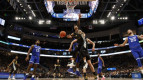
Creighton’s Martin Krampelj Has Been a Huge Surprise This Season (USA Today Images)

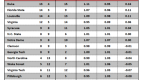
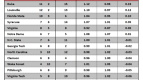
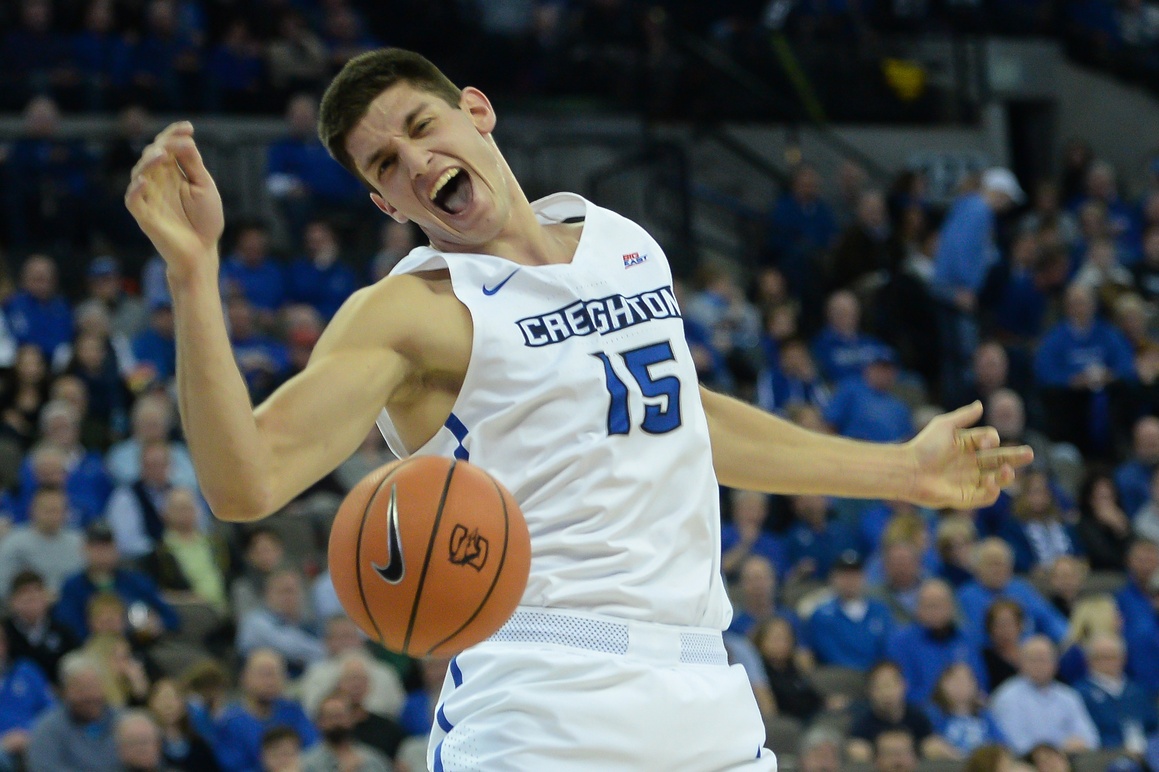
While Foster and Thomas receive most of the offensive credit, it is actually Martin Krampelj, who averaged under six minutes per game last season, who holds the crown as the team’s most efficient player. In fact, Krampelj owns the highest effective field goal percentage of anyone in the Big East with a greater than 50 percent minute share. His 69.6 percent conversion rate is largely a product of three-quarters of his shot attempts coming right at the rim, but nevertheless, finishing those attempts at an 83 percent clip is astonishing. Krampelj’s role is important for two reasons. First, he is far and away the team’s best and only consistent source of offensive rebounds. McDermott’s system typically does not prioritize offensive rebounding (only 3.9 percent of his team’s shot attempts arise from putbacks), but they remain a highly efficient origin of points. Second, Krampelj’s inside scoring and ability to draw fouls there add offensive diversity to the team’s perimeter-oriented style of play. The 6’9″ forward accounts for nearly a quarter of his team’s shot attempts at the rim and is a huge reason why the Bluejays are having their best success there in years (see below table).

Read the rest of this entry »

Share this story

Three Keys to a Texas A&M Turnaround

Posted by David Changas on January 16th, 2018

After Texas A&M opened the season in Germany with an 88-65 dismantling of a West Virginia team that has only lost twice since (both to top-10 teams), you could have gotten pretty good odds against the Aggies being winless in SEC play with nearly a third of the conference season complete. But that is exactly where they stand following a pair of road losses against Kentucky and Tennessee last week. An 11-1 pre-conference performance, with the only loss coming at Arizona, puts the Aggies at 11-6 overall (0-5 SEC), and although still projected by the bracketologists as an eventual entrant into the NCAA Tournament, Billy Kennedy’s squad needs to quickly get things turned around. Here are three ways that can happen.

Tyler Davis has been a consistent performer for the Aggies, even during their slump. (AP Photo/Sam Craft)

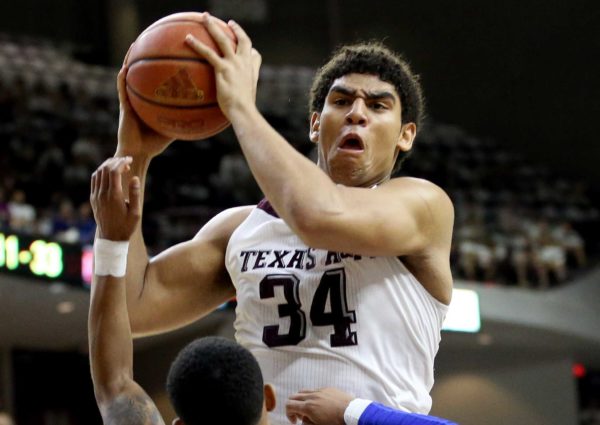
  1. Get Robert Williams going. Williams surprised many observers when he decided to return for his sophomore season despite the widespread belief that he would be an NBA Draft first-round pick. The reigning SEC Defensive Player of the Year has been disappointing so far, especially on the offensive end, where evidence of any real development in his game has been scant. The big man is averaging just 8.7 points per game this season, and while he leads the Aggies in rebounding (9.6 RPG), he has not at all been the equal to fellow frontcourt star Tyler Davis. If Texas A&M is going to turn things around over the next few weeks, it starts with getting more productivity out of the talented Williams. Read the rest of this entry »
Share this story

A Quick Whip Around the ACC

Posted by Matthew Auerbach on January 16th, 2018

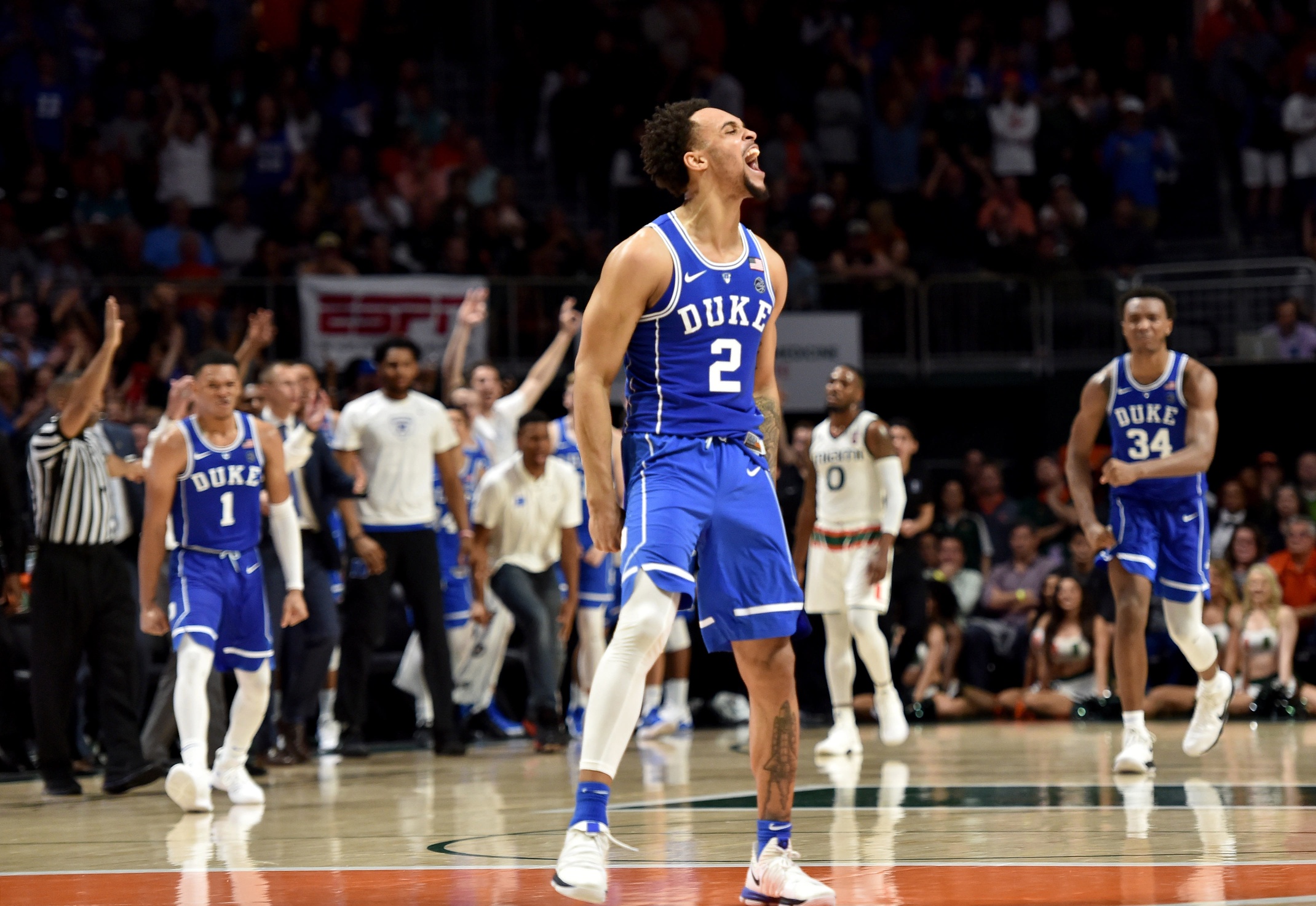
The real-time eulogies for Duke on Monday night at Miami (FL) were erased as quickly as they were written. The consensus preseason favorite shrugged off a listless opening 12 minutes of the second half, saving its energy for a scintillating four-plus minute stretch of 18 straight points, swinging the margin from down 13 points and in trouble to up five and in control. While just a snapshot on a canvas of maddening inconsistency, what Monday’s game-changing run proved, once again, is that Duke’s best is still better than anyone else’s. The Blue Devils’ intoxicating freshman class was on full display during the surge, most notably the pure shooting stroke of Gary Trent, Jr. The 6’6” shooting guard knocked down a trio of triples during the decisive run, on his way to a career-high 30-point evening. Wendell Carter, Jr. added 15 points, 14 boards and four blocks; Marvin Bagley contributed a quiet 13 points and 12 rebounds; and point guard Trevon Duval (17 points; eight assists) navigated Miami’s generally stingy defense like a seasoned veteran. The issues with this team remain legitimate: its man-to-man defense is an atrocity (its zone, however, stagnated Miami and helped to swing the game) and Grayson Allen’s needs to find his stroke, but the height of the Blue Devils’ ceiling with all cylinders firing re-entered our collective consciousness last night.

Duke’s Comeback Kids Did It Again Last Night (USA Today Images)

Left for dead in the wake of the manhandling Kentucky put on the Cardinals to close out 2017, Louisville has recovered nicely from that 30-point defeat in Rupp Arena. After splitting a pair of games with Pittsburgh and Clemson, the Cardinals then halted Florida State’s 28-game home winning streak in Tallahassee with a second half comeback victory that nobody saw coming. Next, David Padgett’s team followed that up with an impressive 94-86 home win over Virginia Tech, featuring 13 three-point field goals from a team that typically doesn’t shoot or make many. While Deng Adel’s career-high 27 points was the most notable performance, sophomore Ryan McMahon’s contributions of 21 points in the pair of victories seemed to inject some life into a bench that has been noticeably devoid of offensive spark. It was convenient and perhaps even justified to dismiss Louisville as an ACC or national contender given the backdrop of an ongoing FBI investigation and the loss of its Hall of Fame head coach. But with only an overtime road loss to Clemson keeping the Cards from sitting atop the league standings, now is the time to remember that this roster was always considered NCAA Tournament second weekend good.

Read the rest of this entry »

Share this story

ACC Weekend Review: 01.15.18 Edition

Posted by Brad Jenkins (@bradjenk) on January 15th, 2018

There were several exciting games in the ACC on Saturday, capped by North Carolina’s last-second survival in South Bend against a determined if undermanned Notre Dame squad. Earlier in the day, Florida State topped Syracuse in a two-overtime thriller in Tallahassee; Louisville beat Virginia Tech in a shootout; and Clemson took over late to outlast Miami. On Sunday night, Virginia handled NC State, leaving the Cavaliers as the lone remaining undefeated team in ACC play. Here are the highlights from the weekend around the ACC.

Donte Grantham leads the cheers in Clemson’s win over Miami.

  • Best Win: In the only ACC game of the weekend involving two ranked teams, Clemson broke open a close second half to topple Miami in Littlejohn Coliseum, 72-63. The Hurricanes have the seventh-best defense in the land according to KenPom‘s efficiency rankings, but thanks in large part to a 12-of-21 performance from three-point land, Clemson converted a robust 1.17 points per possession against Miami. Senior Donte Grantham led a balanced Tigers’ attack with 18 points, connecting on all four of his shots from deep, including a last-minute dagger that put the game out of reach. Brad Brownell‘s team next plays at North Carolina on Tuesday night, where Clemson has never won (0-58).

Read the rest of this entry »

Share this story

Five Reasons Why Michigan is For Real

Posted by Tommy Lemoine on January 15th, 2018

After losing three of its top four scorers from last year’s Sweet Sixteen team — including point guard Derrick Walton, Jr. — Michigan was a mystery heading into this season. An NCAA tournament bid seemed likely but debatable; a Big Ten title seemed out of the question. After upsetting Michigan State in East Lansing on Saturday and nearly toppling Purdue earlier in the week, though, expectations have changed. Now 15-4 (4-2 Big Ten) with wins over the Spartans, Texas and UCLA, Michigan — ranked higher in KenPom now than it finished last season — is in position to compete for a conference championship and a favorable seed on Selection Sunday. The Wolverines have come a long way fast, and here’s why they’re legit.

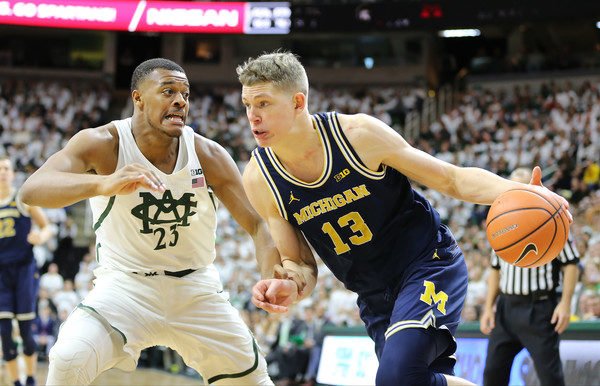
Moritz Wagner shredded the Spartans on Saturday. (UM Hoops)

  • They play defense. Michigan is playing some of its best defense in years, ranking 15th nationally in adjusted defensive efficiency, which — if the season ended today — would be the second-best ever under head coach John Beilein. His stingiest team wound up as the 2013 National Runner-Up. Against the Spartans over the weekend, the Wolverines fought through ball screens, rotated consistently and limited Michigan State’s looks from the three-point line (especially Cassius Winston and Joshua Langford, who attempted just three triples). Down low, the Michigan big men prevented Nick Ward (four points) from catching the ball in the deep post, where he’s been nearly unstoppable this season. Perhaps most importantly, Beilein’s group limited transition buckets and forced the Spartans to work hard in the half-court. Even while Beilein’s offense is somewhat less efficient this season, the Wolverines’ improvement on the defensive end could ultimately make them more complete.
  • They finally found a point guard. If there was any question left as to who had won Michigan’s point guard battle, it was put to rest this week. After averaging just 18 minutes per game prior to January 2, Zavier Simpson saw 30-plus minutes of action for the fourth straight game on Saturday, scoring 16 points and dishing out five assists in the win over Michigan State. In Michigan’s near-miss against Purdue on Tuesday, the sophomore scored 15 points and secured a career-high six rebounds. In both games, Beilein’s offense was firing on all cylinders. “Zavier Simpson has been key for us,” the coach said on Saturday. “He’s been able to make plays. Especially in the second half.“ Not only is Simpson playing his best basketball of the season, but he’s doing so against the best teams in the conference — if not the country. What began as a dead-even three-man race between Simpson, Ohio transfer Jaaron Simmons and freshman Eli Brooks has now become Simpson’s job to lose. And Michigan’s the better for it.

Read the rest of this entry »

Share this story

ACC Weekend Preview: January 13

Posted by Mick McDonald on January 13th, 2018

As we move into the middle of January, each weekend features games that will have a major impact on how the ACC will ultimately shake out. This long holiday weekend is no exception, with a pair of games featuring major bubble implications (already!) on the docket, and a chance for one team to stake its claim as a surprise ACC title contender. (All stats through games of January 11 and rankings via KenPom.)

Saturday, January 13

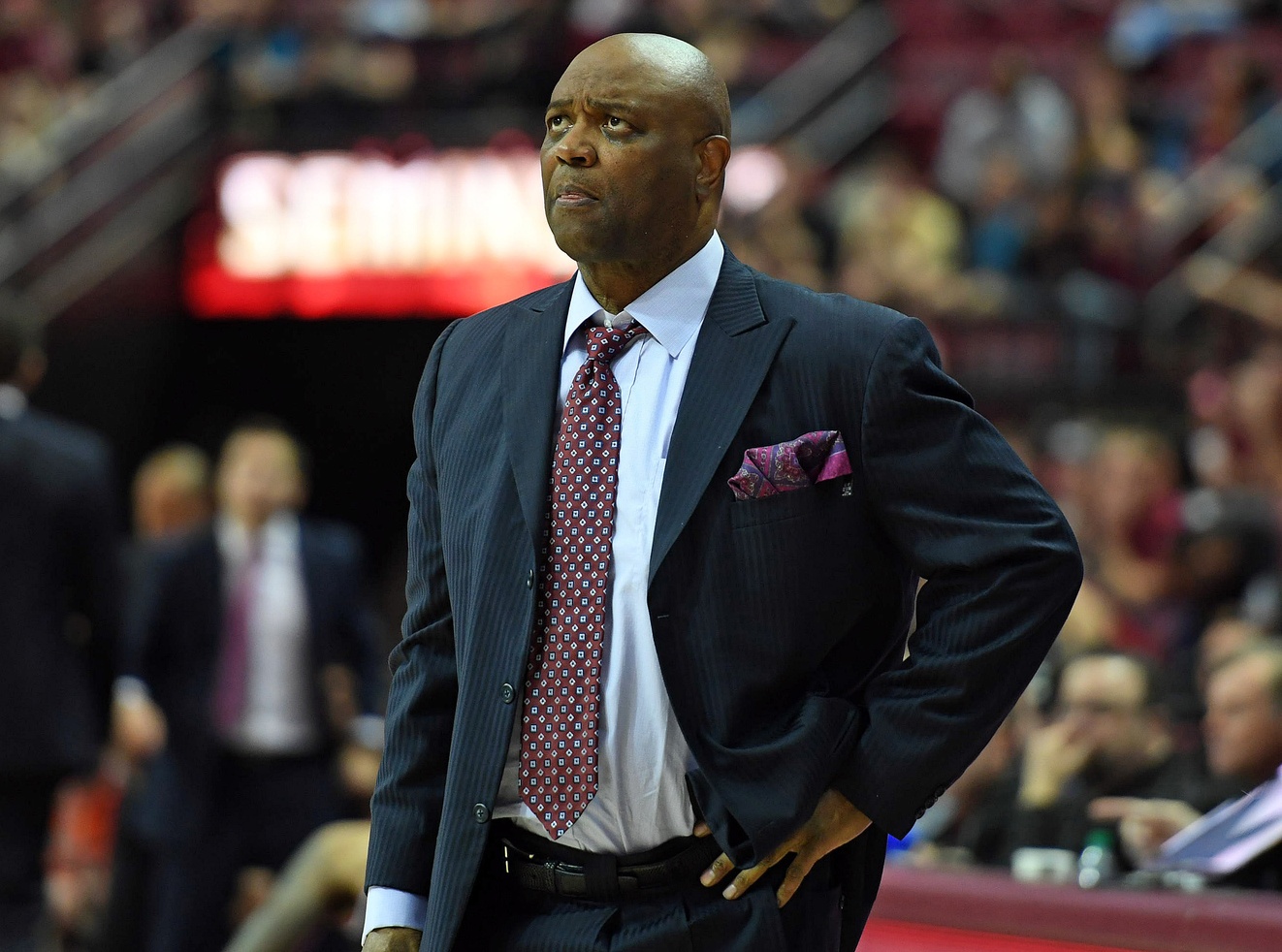
Leonard Hamilton Isn’t Worried About a 1-3 ACC Start (USA Today Images)

  • #45 Syracuse at #31 Florida State. Don’t be fooled by Florida State’s 1-3 ACC record. The Seminoles received a brutal schedule to start conference play, dropping games at Duke and Miami followed by a home loss to Louisville. None of those three losses alone are reason for concern, but the Seminoles need to address their recent shooting woes. Florida State has made just 27 percent of their attempts from long-range in the last two games, and Phil Cofer (42.3% 3FG on the season), in particular, has really struggled (2-of-10 3FG). Against Syracuse’s long and athletic zone defense, Leonard Hamilton will need Cofer to regain his form as the designated zone-buster. The Orange are likely to keep Florida State out of the paint, as Syracuse is allowing opponents to shoot just 42.0 percent from two-point range this season, the seventh best mark in college basketball.
  • #29 Miami at #14 Clemson. Is Clemson a legitimate ACC title contender? We are about to find out. The Tigers are 3-1 after losing to NC State in Raleigh Thursday night, but their schedule gets much tougher very quickly, beginning with this weekend’s visit from the Hurricanes. A key for Brad Brownell’s club this year has been the development of junior big man Elijah Thomas. He is posting a 26.6 PER and 63.1 percent effective field goal rate on the offensive end, while also becoming a dominant rebounder (26.1% defensive rebounding rate) and shot-blocker (11.8% block rate.) It will be fun to watch Thomas take on Miami’s much-improved big man Dewan Huell, who is posting an 85.8 Defensive Rating and shoos 65.6 percent from the field. Huell was terrific in the Hurricanes’ recent win over Florida State, scoring 20 points on 8-of-12 shooting while grabbing eight rebounds.

Read the rest of this entry »

Share this story

Close Games in the ACC: Part III

Posted by Brad Jenkins (@bradjenk) on January 12th, 2018

This is Part III of a three-part series. Part I can be found here.  Part II can be found here.

In our final examination of close games in the ACC, we will examine the extreme cases in both directions — the best and worst seasons over the last 11 years with respect to performance in tight games. Then we’ll see if history gives us any indication of what to expect for the four ACC teams with extreme results in one-possession games last year.

Brian Gregory and the 2015 Georgia Tech squad were historically inept in close games. (AP Photo)

  • Most 1-Possession Games – 2012 Virginia Tech (10), 2012 Virginia (9). These intrastate rivals chose the same season to participate in the highest number of games decided on the game’s final possession. Each team won four of their tight contests but the Cavaliers (9-7 ACC record) did much better in the rest of their league outings than the Hokies (4-12). As you might expect, both meetings between these two schools in 2012 came right down to the wire, with each team winning on the other’s home floor.
  • Least 1-Possession Games – 2007 N.C. State (0), 2011 Duke (0). These two squads avoided nail-biters in different ways. Duke (13-3 ACC) won most of its games comfortably in 2011, including 11 of their 16 conference games by double-figures. Meanwhile the Wolfpack (5-11) were often on the short end in lopsided affairs, posting a mark of 3-9 in games decided by 10 points or more. Ironically, in its ACC Tournament opener that year, N.C. State finally experienced a close game – beating Duke in overtime in Sidney Lowe’s first year at the helm.
  • Best Record in 1-Possession Games – 2013 Florida State (6-0). A year after their first and only ACC Championship, the Seminoles (9-9 ACC) would have been in much worse shape if they didn’t dominate their six close games.
  • Worst Record in 1-Possession Games – 2015 Georgia Tech (0-8). Brian Gregory’s squad in 2015 (3-15 ACC) was so snake-bitten that the next highest number of losses during this era was four.

Read the rest of this entry »

Share this story

Friday Figures: Big 12 NCAA Tournament Chances, TCU’s Rough Start & Texas Goes Big

Posted by Chris Stone on January 12th, 2018

Friday Figures is back with a look at some of the various statistical trends in the Big 12. This week we’ll dive into how many teams can make the NCAA Tournament with a losing conference record, TCU’s disparate start on offense and defense, and Texas’ move to a super-sized lineup.

The Big 12 is going to put the NCAA Tournament Selection Committee in a strange spot. As the calendar ticks towards March and bracketology posts populate the web, the question of how many Big 12 teams will make the field of 68 should be a fun one. The safest bet is on six teams in, while the most ambitious estimate suggests eight entrants. Either way, the league could put the committee in a weird position if KenPom’s conference projections hold in place. Right now, just four teams — Kansas, Oklahoma, Texas Tech and West Virginia — are projected to finish the regular season with Big 12 winning percentage of .500 or above. Four additional schools — Baylor, Kansas State, TCU and Texas — are lumped together at 8-10. Why’s that interesting? Since the Big 12 took on its current incarnation in the 2012-13 season, just five teams from the country’s top six conferences have made the NCAA Tournament with a losing league record. Three of those have come from the Big 12 and two hailed from the Big Ten. No ACC, Big East, SEC or Pac-12 teams have made the Dance with a losing record in that time frame. If these projections hold, the Selection Committee could be forced the push that number quite a bit higher.

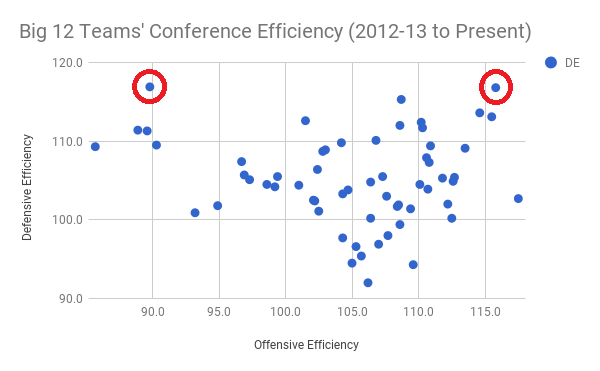
Source: KenPom

TCU’s Big 12 start is awfully unique. The Horned Frogs are out to an inauspicious 1-3 start in league play with their lone win coming over Baylor in overtime. The optimist among us will point out that their three losses came by a combined six points. The pessimist will instead point to the above chart, which plots every Big 12 teams’ offensive and defensive efficiency from conference play dating back to 2012-13. The two circled points? On the right, 2017-18 TCU. On the left, the 2013-14 TCU squad that went 0-18 in conference play. The link between them? Poor defense. These Horned Frogs would rank as the second worst defense in the Big 12 of the last six seasons, second — by just 0.1 points per 100 possessions — to the group that won a grand total zero games in league play. While it appears head coach Jamie Dixon has resolved the offensive issues that plagued the 2013-14 team, he’ll need to work some magic on the defensive end for TCU to live up to its new expectations.

Read the rest of this entry »

Share this story

Pac-12’s Week 2 Cannibal Routine May Prove Costly

Posted by RJ Abeytia on January 11th, 2018

The Pac-12’s Cannibalization hit full swing this week as once again the road proved significantly difficult for even the best teams in the conference. The first week of Pac-12 play saw six of the 10 games finish with margins of 10 points or more. In the second week, only four of 10 games ended with such margins, and two of those included California, which is really only an approximation of a Pac-12 team on most nights this year. Arizona State and Arizona, the conference’s clear upper tier at this point, dropped from sixth and 19th in the RPI, respectively, to 14th and 24th. They weren’t the biggest losers this past week, however, as Utah, in getting swept by those two schools in Salt Lake City, went from 35th to 63rd. That’s going from fringe NCAA Tournament status to deep in the heart of NIT City.

One of the more problematic teams over the course of the Pac-12 season could be Stanford. The Cardinal enjoyed a miraculous home sweep of the Bruins and Trojans last weekend, and vaulted from 214th to 154th in the RPI as a result. The Bruins and Trojans correspondingly dropped from 40 and 44th to 46th and 56th, respectively, after their Maples heartbreaks. The Stanford problem is that with the Cardinal now playing with its healthiest possible roster (Kezie Okpala and Dorian Pickens have returned while Marcus Sheffield will take a medical redshirt), they are a much tougher team. But because their cumulative performance to date (8-8 overall, the aforementioned +200 RPI) has been so underwhelming, beating Stanford isn’t going to do much for teams’ resumes. Conversely, losses — even if they’re more understandable now — are still going to sting.

Read the rest of this entry »

Share this story